
 As AI reshapes daily life, arts and crafts offer a powerful lens into authentic escapism, consumer needs and untapped segmentation opportunities
The value of stepping away.
Its that time of year again, the weather shifts, life moves indoors and the festive spirit begins to spark joy. It is also a natural moment to pause and reflect. Around this time, I am reminded of 2 colleagues’ wise words and philosophies that I have heard more than once in my career in market research.
The first: “In order to grow and charge your batteries, you always need to take time to step away and unplug in order to “sharpen your pencil.”
The second focuses on balance. When your day-to-day job relies heavily on using your brain, unplug and unwind using your hands. Vice-versa when your day-to-day job is hands on, destress by engaging your mind.
Both are welcomed reminders as the year wraps up. They nudge me to step away from the numbers, algorithms, modelling and screens, and tap into my creative side. It’s my way of sharpening the pencil so I can enter the new year energized, with fresh ideas for understanding consumers.
One thing is clear: I am definitely not the only one that needs to step away and get my creative juices flowing.
Arts and crafts are on the rise
Across markets, arts and crafts are experiencing sustained growth, signalling a broader shift in consumer behaviour toward authentic escapism.
Mintel confirms this shift: 72% of adults in the USA completing a craft in the past 12 months, and 12 million Canadians engaged in crafting or DIY hobbies in 2023. The arts and crafts market, valued at 54.68 billion USD in 2024, is expected to grow to 78.67 billion USD by 2033.
When thinking of this growth, it’s easy for your mind to jump well known brands like Crayola, Pentel, Faber-Castell, or arts and craft retailers such as Michael’s and e-commerce platforms such as Shopify and Amazon Handmade. But the opportunity space is much broader than that I wanted to highlight 2 of my favourite brands that have authentically tapped into this space.
Home Depot’s smart play in this space
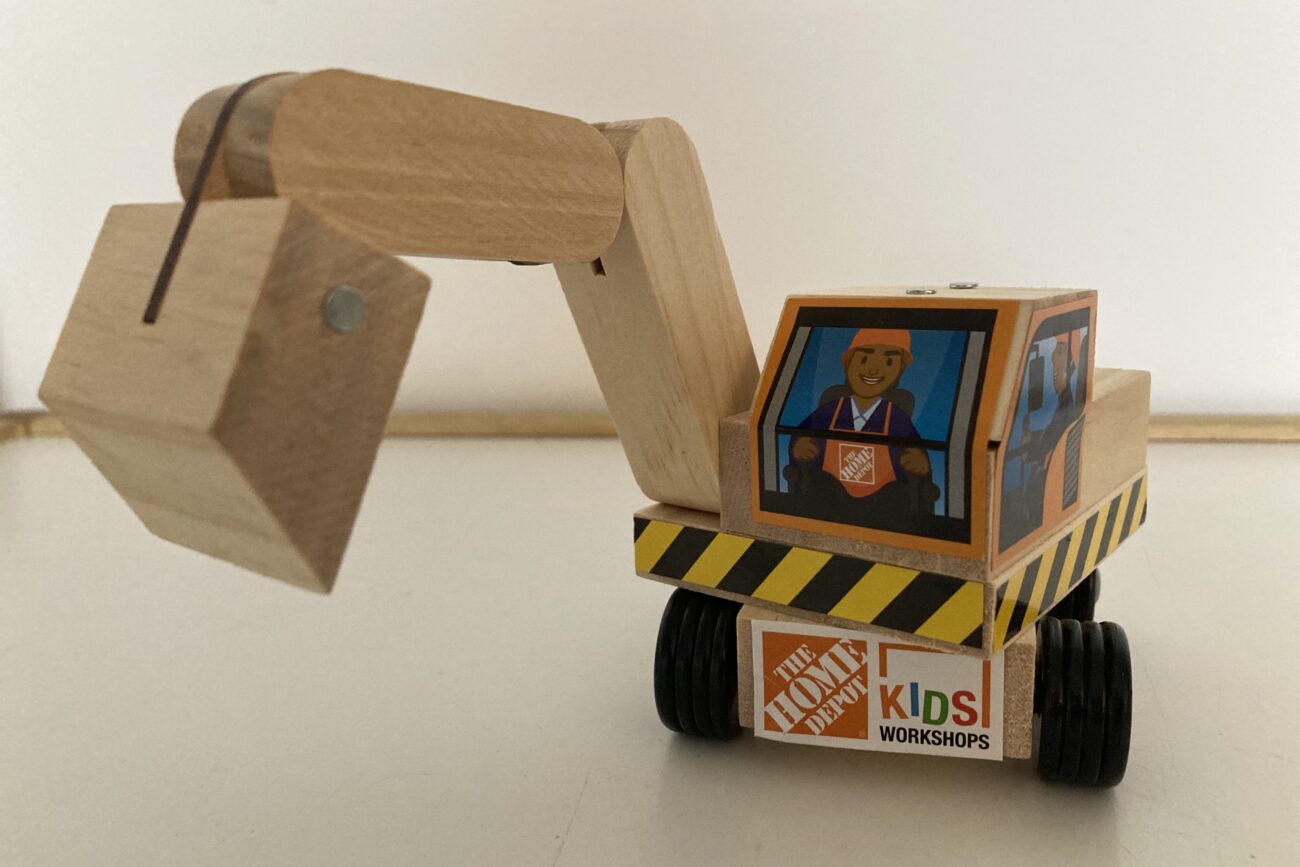
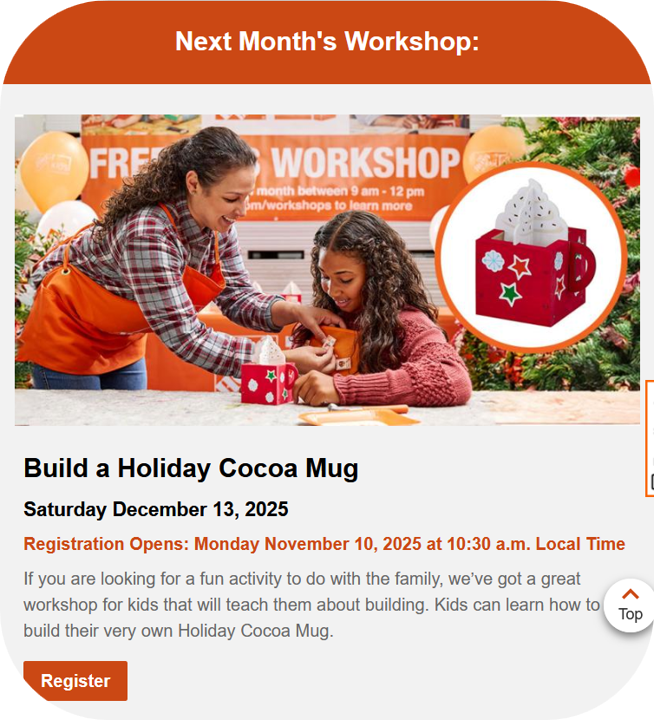
When you think Home Depot, you instantly think the home DIY market, which already leans toward “crafty.” However, Home Depot ventured beyond with its long-running “Kids Workshops” held in store on the second Saturday of every month.
These free workshops invite parents and kids to build a small project together – be it a digger, penguin mailbox or a leprechaun trap over the St Paddy’s Day celebrations. Overall, just an authentic consumer experience.
They truly nailed it (pun intended). Arts and crafts bring families together, gets kids off screens, and offers affordable fun. Mintel confirms this with 87% of Canadian parents enjoy arts and crafts with their kids.
Once parents are in the store with their creative caps on, it is easy to wander into the world of adult craft – AKA DIY home improvement. And let’s be honest, no home improvement project has ever stayed under budget, a win for Home Depot. It certainly worked for me; I walked out spending $75 on supplies myself.
IKEA organizing creativity
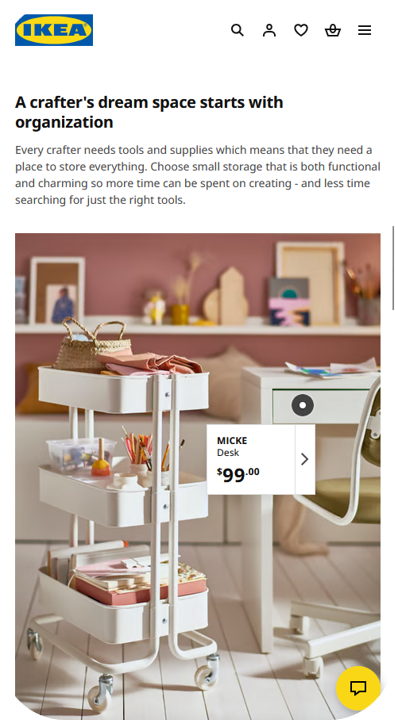
IKEA is another brand that has successfully tapped into this growth. They have done this through the lens of what they do best: storage and organization. Any avid crafter (myself included) knows there is simply no art project that isn’t considered messy or space consuming.
Everyone dreams of that dedicated craft room — a place where you can leave everything exactly where it is, close the door, and not be reminded of the creative chaos. IKEA gets this. Their solutions meet the needs of crafters, artists, and hobbyists who want easy, beautiful ways to store and organise their tools, materials, and masterpieces.
What this trend means for brands
These are just 2 examples of well renowned global brands, but if you are a brand intrigued by this space, wouldn’t you want to know if you credibly playing in this space. The opportunity isn’t just participation, it’s understanding.
Wouldn’t you want to understand who the distinct types of Arts and Crafts consumers truly are. I can only imagine there would be quite a few, from the “Creative Drifter” to the “Upcycle Alchemist” or the “Routine De-stresser.”
Another interesting thought is wouldn’t you want to know of all the different arts and craft moments they could have. I would imagine there is a cozy “rainy-day” reset moment, or a spark of joy moment or an evening mindless destress gap to name just a few.
One thing for sure is the fact it is an incredibly interesting world to explore and understand as each comes with different needs. This is where quantitative market research and consumer segmentation help brands move beyond assumptions towards clarity
Escapism as a path to authenticity
In a world where AI is reshaping consumer behaviour, consumers are craving authenticity more than ever. Arts and crafts offer a way to step back into reality, a reality where the focus is on the process of creating something yourself with no external voice suggesting ways of how it could be better or perfect, just your intuition and creative juices.
Arts and crafts provide a form of escapism, a way for consumers to carve out small, meaningful moments to disconnect, re-centre, and sharpen the pencil before stepping back into an AI-driven world.
And for brands, understanding these moments isn’t just interesting, its a strategic advantage.